

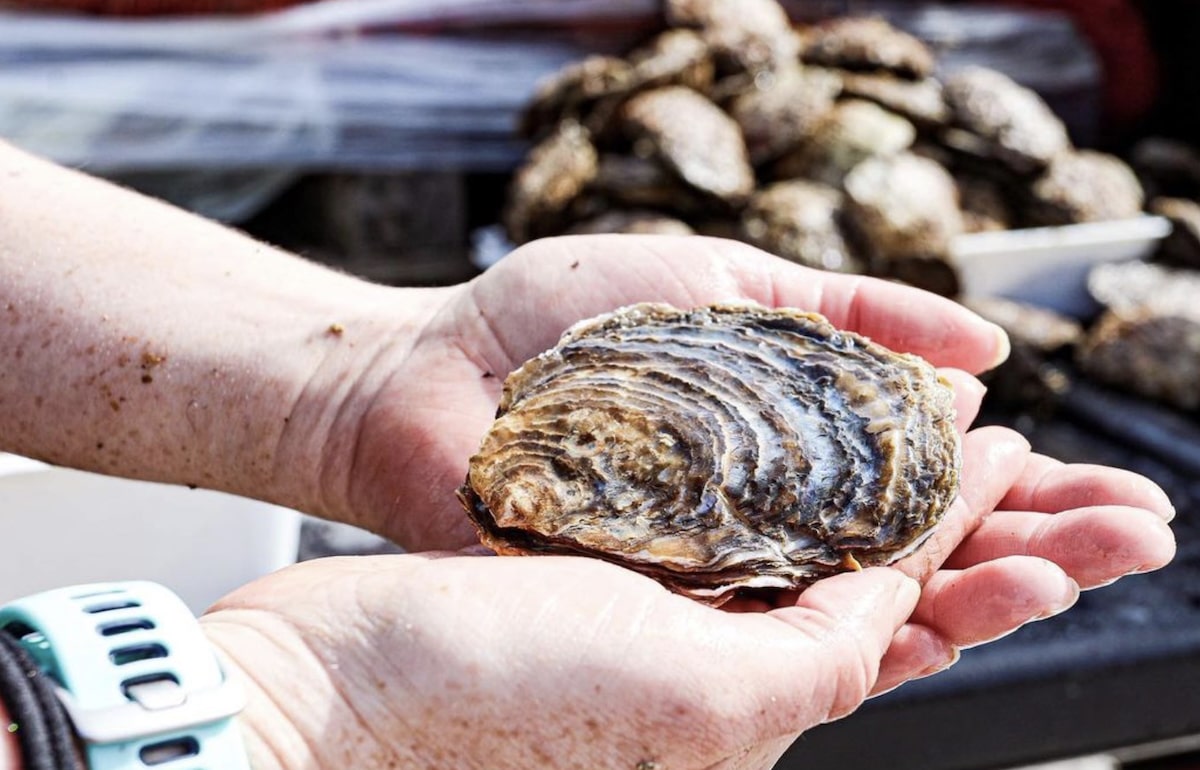
Why Oyster Reefs Are the Quiet Heroes of Our Coastlines
One oyster can filter up to 50 gallons of water a day, and a healthy reef is one of the hardest-working habitats on the coast. That’s why Ostrea Styles is named for them.
The reef most people never see
Most of us think of oysters as something on a plate. Underwater, they build living reefs: dense, three-dimensional structures that grow layer on layer, shell on shell. Scientists describe reefs, salt marshes and seagrass beds as sources of water filtration, shoreline protection and wave buffering during storms.
What a reef actually does
- It cleans the water. A single adult oyster filters up to 50 gallons a day, pulling out excess nutrients that feed dead zones and toxic algal blooms.
- It shelters wildlife. Reefs support hundreds of other aquatic species, serving as nursery and feeding ground for fish and crabs.
- It protects the shore. Reefs soften storm surge and slow erosion, which is why “living shorelines” are a growing coastal strategy.
- It supports local economies. NOAA-backed research projects that restored reefs in Maryland’s Chesapeake Bay tributaries could lift commercial blue crab harvests by more than 150 percent once mature.
A habitat in trouble
Conservationists estimate that about 85 percent of shellfish reefs have been lost worldwide, which makes them among the most endangered marine habitats on earth. Overharvesting, pollution and disease did most of the damage.
The good news
Restoration works, and it scales. In North Carolina, a state-led initiative built 40 acres of new reef between 2017 and 2020, supporting at least 50 million oysters. Recycled shell, community volunteers and patient science are bringing reefs back.
Why this is the heart of Ostrea
We design premium eyewear for people who love the coast, and we give back to the places that make it worth loving. 1% of our revenue supports oyster reef restoration. Every pair you wear helps put a little more reef back in the water.